

 See My Latest Article on HelloNation
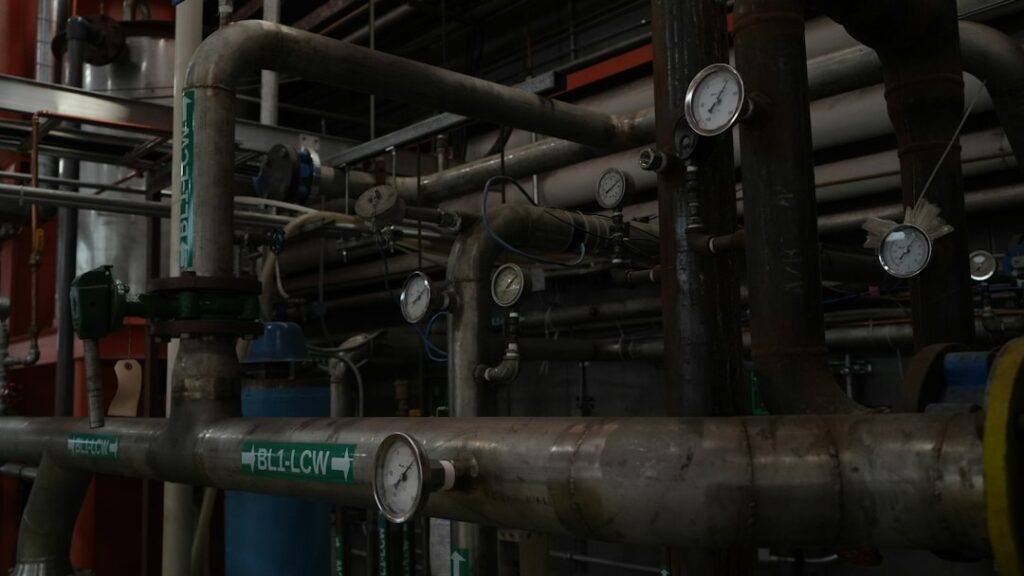
Mechanical construction projects often rely on components that are measured, cut, assembled, welded, or tested away from the final building site. Off-site fabrication can improve consistency, reduce on-site labor, and make installation more predictable, especially during Rochester, NY winters when snow, freezing temperatures, and limited daylight can affect construction schedules.
The term “off-site fabrication” covers more than large pieces of equipment. It may include complete pipe sections, duct assemblies, equipment bases, plumbing modules, and smaller supports that arrive ready for installation.
What does off-site mechanical fabrication mean?
Off-site mechanical fabrication is the preparation of building-system components in a controlled shop or fabrication facility before they are delivered to a construction project. Work may include cutting, welding, threading, grooving, brazing, fastening, insulation, labeling, and quality checks.
Instead of building every part in a basement, mechanical room, ceiling space, or utility area, fabricators complete as much work as practical before the components reach the property.
This approach is commonly used for:
- Heating and cooling systems
- Plumbing and process piping
- Ventilation and exhaust systems
- Fire protection piping
- Equipment supports and access assemblies
- Utility connections and mechanical-room assemblies
The finished component may be a small section of pipe or a large multi-piece assembly designed to connect several systems at once.
Which piping components can be fabricated away from the job site?
Piping is one of the most common categories of off-site fabrication. Sections can be built to specific dimensions and delivered with connection points already prepared.
Typical examples include:
- Hydronic heating and cooling pipe assemblies
- Domestic water and drain piping sections
- Natural gas piping assemblies, where permitted and properly regulated
- Compressed-air and specialty utility piping
- Refrigerant piping sections
- Condensate drain assemblies
- Pump headers and valve stations
- Pipe racks and grouped utility lines
A pipe spool may include straight pipe, elbows, reducers, flanges, valves, and supports. Each piece is usually identified so installers can place it in the correct location.
For Rochester homes and buildings, hydronic piping is especially relevant because many properties rely on boilers, radiators, baseboard heating, or other water-based heating arrangements. In larger buildings, preassembled piping can simplify work in crowded mechanical rooms and ceiling spaces.
Can ductwork and ventilation assemblies be made off site?
Yes. Sheet-metal ductwork is frequently fabricated away from the building. Straight sections, elbows, transitions, offsets, access panels, and equipment connections can all be prepared before delivery.
Off-site duct fabrication may include:
- Supply-air and return-air duct sections
- Exhaust ducts
- Kitchen or industrial ventilation components
- Roof curb transitions
- Fire and smoke damper assemblies
- Duct branches with collars and takeoffs
- Insulated or acoustically treated sections
Duct dimensions must match the building plans and the space available above ceilings, inside walls, or around structural members. A small measurement error can create installation problems, so coordinated drawings and field verification are important before fabrication begins.
Older buildings may have irregular walls, low ceilings, or previous renovations that make standard dimensions unreliable. In those situations, some portions may be fabricated off site while final transitions are adjusted in the field.
What mechanical-room assemblies are commonly prefabricated?
Mechanical rooms often contain many connected components in a limited area. Fabricating portions of the room before installation can reduce congestion and make system layout easier to inspect.
Examples include:
- Boiler header assemblies
- Chilled-water or heating-water pump skids
- Water-treatment piping
- Valve and strainer stations
- Expansion-tank connections
- Backflow-prevention assemblies
- Heat-exchanger piping
- Domestic hot-water assemblies
- Air-handler connection packages
Some assemblies are mounted on frames or skids. These may include pumps, valves, gauges, controls, and pipe connections arranged as a single unit. The frame can be moved into position and connected to the building’s larger systems.
The size and weight of the assembly must be considered early. A component that fits through a large construction opening may not fit through a finished doorway or stairwell later.
Are plumbing fixtures fabricated off site?
Individual fixtures such as sinks, toilets, and faucets are generally manufactured elsewhere, but the surrounding plumbing assemblies can often be prefabricated.
Examples include:
- Bathroom plumbing carriers
- Sink connection assemblies
- Pipe-and-valve groups for kitchens
- Water-service entry assemblies
- Pumped drainage units
- Repeated restroom plumbing modules
- Utility-wall assemblies for apartments or multi-unit housing
In repetitive construction, several identical plumbing modules may be built using the same measurements and components. This can help maintain consistency between units and reduce the amount of cutting and fitting inside the building.
For renovations, however, existing walls and floors may not match original drawings. Prefabricated plumbing must be based on accurate field measurements, particularly in older housing where previous repairs may have changed pipe locations.
What HVAC equipment connections can be fabricated?
Complete heating or cooling equipment is usually manufactured by specialized equipment producers, but the connections around that equipment can be fabricated in advance.
Common examples include:
- Boiler and furnace connection piping
- Air-handler duct connections
- Pump and heat-pump piping packages
- Refrigeration line assemblies
- Condensate drainage sections
- Equipment curbs and support frames
- Vibration-isolation bases
- Flexible connector arrangements

Fabricators may also prepare transition pieces that connect equipment openings to the building’s ductwork or piping. These transitions are often necessary because equipment dimensions and duct dimensions do not always match directly.
Clearances must be preserved around service panels, filters, burners, electrical components, and access doors. A neatly fabricated assembly is not useful if it prevents technicians from safely reaching equipment for maintenance.
Can supports, frames, and access components be fabricated off site?
Mechanical construction includes many steel and metal components that do not carry fluids or air but are necessary for a complete installation.
These may include:
- Pipe supports and trapezes
- Equipment housekeeping bases
- Steel frames for pumps and tanks
- Roof equipment supports
- Platforms and service stands
- Ladders and access structures
- Protective guards
- Pipe sleeves and penetration frames
- Seismic or vibration-control supports, where required
In areas with heavy snow, freeze-thaw cycles, and rooftop equipment exposure, support design must account for structural loading, drainage, corrosion protection, and weather conditions. Rooftop components also need proper coordination with roofing materials and maintenance pathways.
What are the advantages of fabricating mechanical parts off site?
The main advantages are improved repeatability, better working conditions, and less field assembly. Shop fabrication can provide:
- More controlled cutting and welding conditions
- Better access to tools and lifting equipment
- Reduced time working from ladders or lifts
- Fewer loose parts inside the building
- More predictable installation sequencing
- Less noise, dust, and disruption at the property
- Easier inspection before delivery
Off-site work does not eliminate field installation. It shifts some of the labor to a controlled location and leaves the project team with connection, testing, adjustment, and commissioning tasks.
What cannot always be fabricated in advance?
Not every mechanical component should be completed off site. Field conditions may require final adjustments because walls, beams, openings, and existing utilities do not always match drawings.
On-site work may still be needed for:
- Final connections to existing systems
- Measurements taken after demolition
- Unusual offsets around hidden obstructions
- Last-minute equipment changes
- System testing and balancing
- Final insulation and firestopping
- Adjustments caused by structural or architectural changes
Safety and code requirements also affect what can be fabricated, transported, connected, and tested before delivery. Gas piping, refrigeration work, pressure testing, fire protection systems, and electrical controls may require specific procedures or qualified workers.
For local projects, winter weather can influence delivery timing, storage, crane access, and protection from freezing. Components containing water should not be stored or transported in conditions that could cause damage.
What should residents ask about prefabricated mechanical components?
A property owner, facility manager, or homeowner reviewing a project can ask:
- Which components will be fabricated away from the building?
- How will dimensions be verified before fabrication?
- How will parts be labeled and matched to drawings?
- Where will components be stored before installation?
- How will unfinished openings or field changes be handled?
- What testing will occur before and after installation?
- Will access for future repairs remain available?
The most successful prefabricated assemblies are planned around accurate measurements, transportation limits, installation access, inspection requirements, and long-term maintenance—not just the speed of initial assembly.