

 See My Latest Article on HelloNation
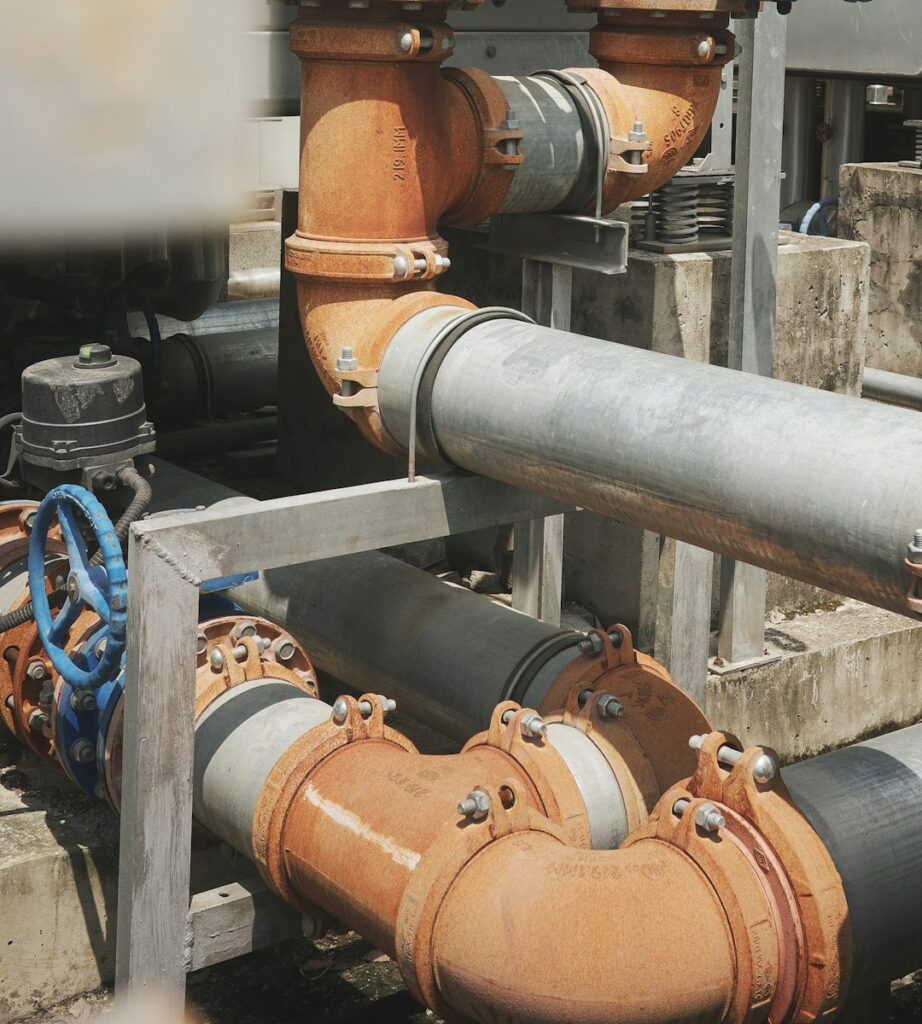
Off-site fabrication is a construction method in which parts of a mechanical system are measured, cut, assembled, and sometimes tested at a separate fabrication facility before being delivered to the job site. For projects in Rochester, NY, this approach can help construction teams manage winter conditions, crowded work areas, material handling, and the need for dependable building systems.
Mechanical construction includes the installation of systems such as heating, ventilation, air conditioning, plumbing, fire protection, and process piping. Instead of completing every task inside the building, off-site fabrication moves selected work into a more controlled environment.
What is off-site fabrication?
Off-site fabrication prepares mechanical components away from the final construction location. Workers may build pipe assemblies, duct sections, equipment skids, plumbing racks, or modular utility frames in a dedicated shop.
Typical steps include:
- Reviewing drawings and measurements
- Cutting and preparing materials
- Welding, brazing, fastening, or assembling components
- Labeling each section for delivery
- Inspecting dimensions and connections
- Transporting completed assemblies to the building
- Installing and connecting them in the planned locations
The method does not eliminate field construction. Workers still need to coordinate deliveries, place assemblies, connect systems, perform testing, and adjust components to match actual site conditions.
How does fabrication support faster mechanical installation?
Off-site fabrication can reduce the amount of cutting, fitting, and assembly required inside a building. Several tasks can occur at the same time: site crews may prepare walls, ceilings, shafts, or equipment rooms while fabrication crews assemble mechanical sections elsewhere.
This parallel work can be useful on projects with tight schedules. A plumbing rack, for example, may be assembled while interior framing is underway. Once the area is ready, the rack can be moved into position and connected to the main system.
The time savings depend on accurate drawings, reliable dimensions, delivery planning, and a site that is ready to receive the fabricated components. If those conditions are not met, prefabricated parts may require modification, which can reduce or eliminate the expected schedule benefit.
Why is this useful in Rochester’s climate?
Seasonal weather can affect construction logistics. Cold temperatures, snow, ice, and wet conditions may make outdoor staging more difficult and can slow work around partially enclosed buildings.
Fabricating inside a controlled facility provides better protection from weather during many preparation tasks. Materials are less likely to be exposed to precipitation, muddy work areas, or freezing conditions while being assembled.
This does not make winter construction risk-free. Deliveries still need safe access, and crews may need to protect exposed piping, valves, insulation, and equipment during transport and installation. However, moving more detailed assembly work indoors can reduce the amount of weather-sensitive work performed at the building site.
Can off-site fabrication improve quality?
It can, especially when the work benefits from repeatable measurements and controlled assembly conditions. Fabrication shops may provide stable lighting, organized tools, lifting equipment, and designated inspection areas.
Quality advantages may include:
- More consistent cutting and joining
- Easier access to tools and materials
- Better organization of small fittings and components
- Repeated inspection before delivery
- Reduced exposure to dust, rain, and other site conditions
- Clearer labeling of assemblies
Fabrication is not automatically higher quality. Errors in the drawings, incorrect field measurements, rushed assembly, or poor transportation protection can create problems. Quality control must continue after delivery through field inspection, pressure testing, system balancing, and commissioning.
What types of mechanical systems are commonly fabricated off-site?
Many mechanical components can be fabricated away from the building, although the best candidates depend on the project design.
Common examples include:
Plumbing assemblies
Plumbing racks may combine supply piping, drainage piping, supports, valves, and connection points into a coordinated assembly. These racks are often useful in apartment buildings, health care facilities, hotels, and other structures with repeated room layouts.
Ductwork sections
Duct sections can be manufactured to planned dimensions and labeled for installation. This can reduce the amount of field cutting and joining, particularly in large buildings with repeated air distribution layouts.
Piping spools
Piping spools are preassembled sections of pipe with fittings, flanges, supports, or valves. They may be used for heating water, chilled water, compressed air, natural gas, or other building services, depending on design and code requirements.
Equipment skids
A skid may combine pumps, piping, valves, controls, and structural supports into a coordinated unit. Skids can be useful when equipment needs to be assembled and tested before being placed in a mechanical room.
Mechanical and electrical racks
Some projects use overhead utility racks that organize multiple systems in a shared support arrangement. This can simplify installation in corridors, ceilings, and service areas, but it requires careful coordination with structural, architectural, fire protection, and electrical work.
Does fabrication reduce construction waste?

It can reduce waste by improving material planning and making cutting more consistent. Standardized assemblies may allow fabricators to order materials in planned quantities and use computer-assisted layouts or repeatable cutting methods.
Less on-site cutting can also mean fewer scraps, packaging materials, and discarded fittings in occupied work areas. Keeping fabrication tasks in a designated facility may make it easier to separate and recycle certain metal materials.
Waste reduction is not guaranteed. Overproduction, design changes, damaged assemblies, incorrect measurements, or unused materials can create waste before installation. The greatest benefit usually comes from accurate coordination and early design decisions.
What challenges should building owners and residents understand?
Off-site fabrication shifts some construction risk from the job site to planning and logistics. A small design error can affect an entire repeated assembly. A component that is too large may not fit through a doorway, elevator, shaft, or access opening.
Other challenges include:
- Limited storage space at the building
- Transportation damage
- Unclear delivery sequencing
- Changes to wall, ceiling, or equipment-room layouts
- Difficulty accessing concealed connections
- Need for lifting equipment or temporary openings
- Mismatch between fabricated parts and actual field conditions
For renovation projects, these issues can be more significant because existing buildings may contain undocumented piping, uneven floors, narrow access routes, or structural conditions that differ from old drawings.
Is off-site fabrication practical for homes and smaller projects?
It can be, but the approach is usually more valuable when a project has repeated layouts, a large amount of piping or ductwork, limited site space, or a demanding schedule. A single custom residential repair may not justify extensive modular fabrication.
In multi-unit housing, schools, health care buildings, laboratories, and industrial facilities, repeated rooms and systems make standardized assemblies more practical. Smaller projects may still use limited prefabrication, such as preassembled valve groups, piping sections, or equipment connections.
What should be checked before fabricated components are installed?
The completed assembly should be compared with the approved drawings and the actual site conditions. Important checks may include:
- Dimensions and connection locations
- Access for maintenance and future replacement
- Required clearances around equipment
- Support locations and structural capacity
- Fire-rated wall and floor penetrations
- Insulation and corrosion protection
- Valve and control accessibility
- Pressure, leak, and functional testing requirements
Mechanical systems must also comply with applicable building, plumbing, mechanical, fuel gas, fire protection, and energy requirements. Where safety, code compliance, fuel gas, refrigerants, pressure systems, or hazardous materials are involved, qualified and properly authorized personnel are necessary.
Off-site fabrication works best as part of an integrated construction process. Accurate design, early coordination, careful labeling, protected transport, and thorough field verification allow prefabricated components to support safer, cleaner, and more predictable mechanical installation.