
 See My Latest Article on HelloNation
What Is Mechanical Construction in Commercial and Industrial Settings?
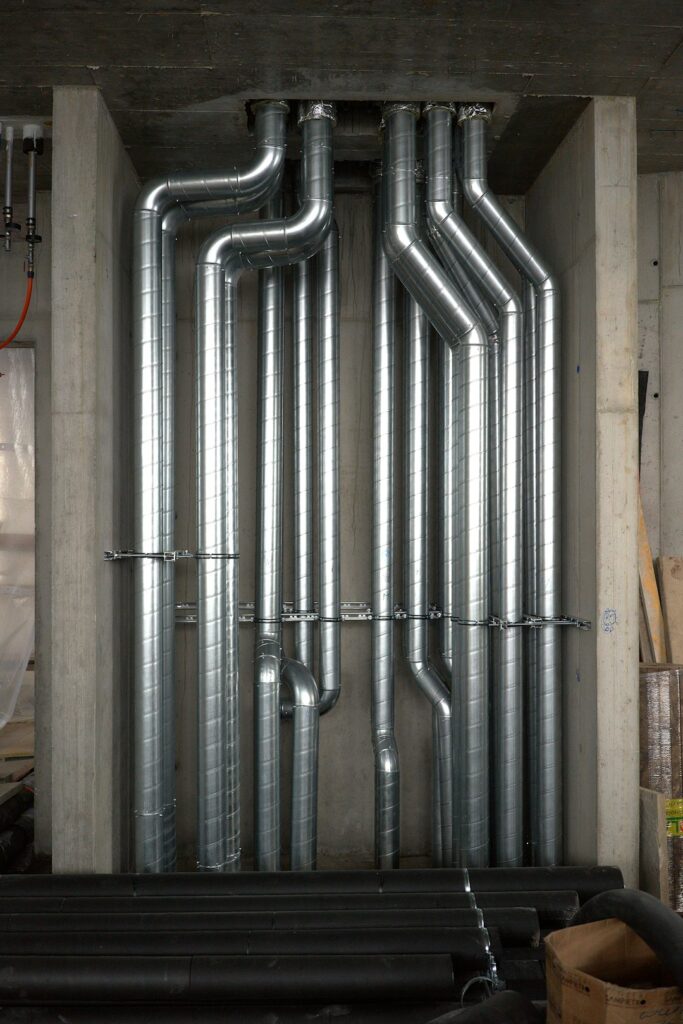
Mechanical construction refers to the design, installation, and maintenance of the systems that manage heating, ventilation, air conditioning, plumbing, and process piping in non-residential buildings. In Rochester, NY, mechanical construction plays a crucial role in supporting indoor comfort, safety, and efficiency for workplaces, schools, factories, and public buildings, especially given the local climate's wide range of temperatures and humidity levels throughout the year.
In both commercial and industrial settings, mechanical construction is distinct from general building work like structural framing or finish carpentry. It involves specialized systems that are often hidden behind walls, ceilings, or beneath floors, but directly influence indoor air quality, water supply, waste removal, and the ability to control temperatures.
Which Systems Are Included in Mechanical Construction?
Mechanical construction covers several major systems, each with a specific function:
- HVAC (Heating, Ventilation, and Air Conditioning): Manages indoor temperature, humidity, and air movement; essential for comfort during Rochester's cold winters and humid summers.
- Plumbing: Supplies potable water, removes wastewater, and connects to local water or sewer infrastructure.
- Process Piping: Transports specialized substances (such as chemicals, steam, or gases) needed for industrial production, commonly used in factories and laboratories.
- Fire Protection Systems: Mechanical contractors often install and maintain piping for sprinkler and suppression systems.
- Building Automation Controls: Many commercial sites integrate controls to automate HVAC and plumbing performance, increasing efficiency and reducing manual intervention.
While electrical and lighting systems are central to building operations, these usually fall under electrical construction rather than mechanical.
How Do Mechanical Systems Impact Building Function and Safety?
Mechanical construction is a backbone of safe, functional buildings. HVAC systems ensure that occupants remain comfortable and productive by regulating temperature and air quality. Locally, effective heating and reliable hot water are especially important given the city's long winters and heavy snow.
Proper plumbing and drain systems protect public health by preventing contamination and managing storm water, which is crucial in a city prone to both lake-effect precipitation and spring thaws. Industrial facilities may have additional safety considerations, such as venting for hazardous fumes or pressure-relief components in process lines.
Neglecting mechanical systems can result in uncomfortable indoor conditions, frozen pipes, mold, and, in severe cases, code violations or unsafe environments.
What Are Common Features of Mechanical Work in Commercial and Industrial Buildings?
Unlike typical residential projects, mechanical construction in larger buildings often involves:
- Larger, more complex systems, including rooftop HVAC units or central chillers
- Zoning and controls to manage air delivery or water flow across multiple floors or areas
- Specialty equipment like boilers, cooling towers, or industrial-grade exhaust fans
- Coordination with structural, electrical, and architectural elements for seamless integration
- Compliance with detailed building codes and energy-efficiency standards set by state or local authorities

Facilities serving sensitive occupants—such as hospitals, data centers, or laboratories—require specially engineered systems for reliability, redundancy, and air quality.
What Local Factors Influence Mechanical Construction?
Rochester’s climate and regulatory environment shape the approach to mechanical construction. Prolonged freezing temperatures place high demands on heating systems and freeze protection for pipes. Humid summers and shoulder seasons make air conditioning and dehumidification important for comfort and preventing moisture problems.
Additionally, aging building stock in parts of the city may require retrofitting or adaptations, such as updating older steam piping or improving insulation to align with new energy codes. Local ordinances and permitting standards also specify how systems must be installed or modified, with regular inspections by city officials to verify code compliance.
Facilities near water sources or in high-traffic corridors may have further restrictions or requirements to protect the public and environment.
Do Mechanical Systems Require Ongoing Maintenance?
Yes—proper operation relies on regular inspections, cleaning, and repairs. Even robust systems degrade over time due to use, seasonal cycling, and exposure to weather or industrial byproducts. Preventative maintenance for HVAC and plumbing in larger facilities helps avoid unexpected outages, water leaks, or safety hazards.
Most commercial buildings institute scheduled maintenance for mechanical systems as part of their facility management practices. In industrial settings, where system failure could disrupt production or present unique risks, monitoring may be even more frequent and detailed.
What Are Some Common Misconceptions About Mechanical Construction?
Some local residents believe that mechanical systems are only needed for very large buildings or specialized factories. In reality, virtually any building serving more than a handful of occupants in the city will require some form of professionally designed and installed mechanical systems.
Another misconception is that modern systems are “set and forget”—in reality, factors such as seasonal changeover, aging equipment, and changing occupancy demand periodic adjustments and maintenance.
Finally, many people underestimate the role of mechanical construction in supporting energy efficiency and indoor air quality. Properly specified and maintained systems can significantly reduce utility bills and increase comfort.