

 See My Latest Article on HelloNation
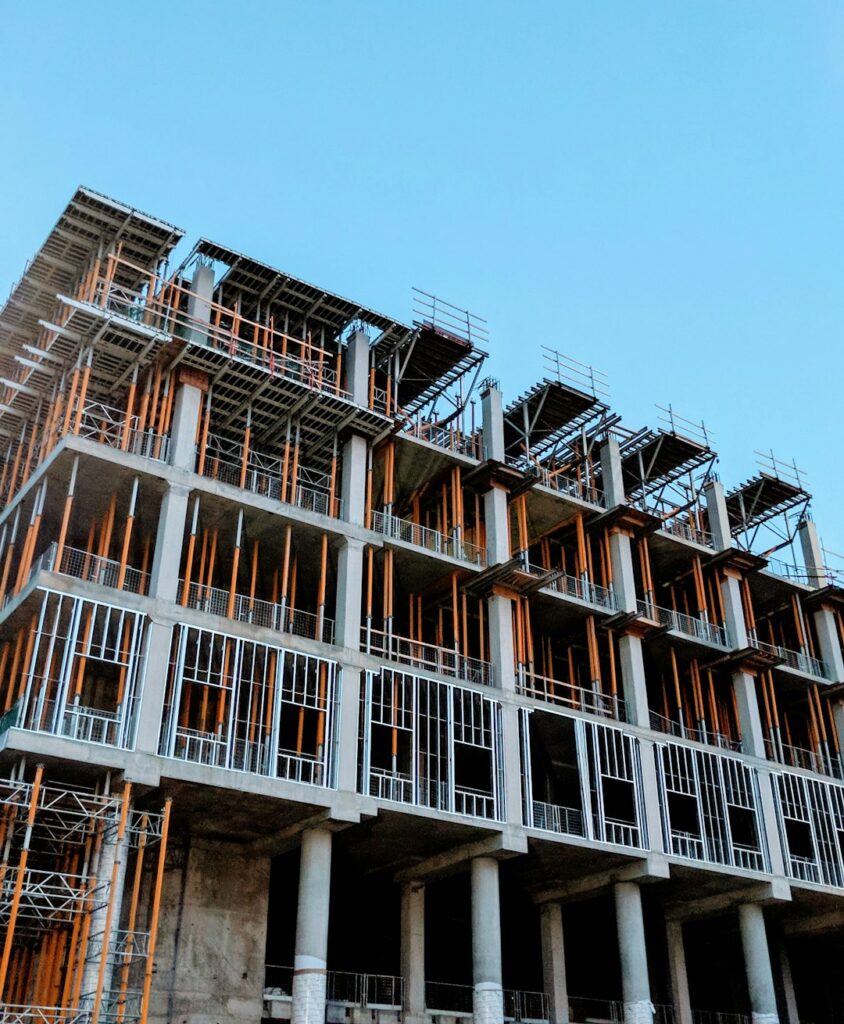
What Is a Mechanical Constructability Review?
A mechanical constructability review is a process used during the planning and design phase of construction projects to ensure that mechanical systems—such as heating, cooling, ventilation, and plumbing—can be efficiently and safely built as specified. This step typically happens before major work begins, with the goal of identifying and addressing design challenges, installation conflicts, or cost risks early on.
These reviews are essential in Rochester, NY, where fluctuating weather, varying building types, and aging infrastructure create unique mechanical demands. Early detection of potential problems helps save both time and resources during construction.
Why Do Residents and Builders in Rochester, NY Value This Process?
A mechanical constructability review brings together practical knowledge and local experience to confirm that a building's mechanical systems will work as intended after construction. In the city, where basements might flood, winter frost lines are deep, and building sites can be tight, even small design errors can lead to costly setbacks or uncomfortable living spaces.
Residents, builders, and landlords benefit when:
- Construction proceeds without major delays from unexpected system clashes.
- Ductwork, piping, or equipment fits in older or constrained homes without excessive modifications.
- Projects comply with Rochester’s codes and energy requirements from the outset.
Who Performs These Reviews and When Are They Needed?
Mechanical constructability reviews are typically conducted by experienced professionals in mechanical design and construction, such as engineers with site experience, construction managers, or knowledgeable mechanical contractors. These reviews happen before work begins but after initial design drawings are prepared, often during the review of construction documents for new buildings, major renovations, or system replacements.
For example, a planned apartment building in the city might undergo a review to ensure boilers, cooling lines, and ventilation shafts are routed efficiently without interfering with structural walls or other building services.
What Issues Are Typically Caught in a Mechanical Constructability Review?
Several common mechanical challenges can arise in city homes, historic properties, and new developments. A careful review may uncover:
- Ductwork and piping layouts that don’t fit existing wall, floor, or ceiling spaces
- Equipment specified that is too large to fit into mechanical rooms or through access doors
- Conflicts with structural beams, electrical runs, or fire safety systems
- Overly complex routing that could make future repairs difficult
- Non-compliance with local permit or code requirements, including air quality or energy efficiency standards
Spotting these issues before construction saves on costly last-minute fixes or redesigns. This is especially relevant in Rochester homes with tight mechanical spaces commonly found in older city neighborhoods.
How Does Local Climate and Housing Influence These Reviews?
Rochester’s cold winters, humid summers, and freeze-thaw cycles place specific demands on mechanical systems. Local reviewers pay extra attention to:
- Placement of pipes to avoid freezing in uninsulated walls or exterior spaces
- Proper routing and insulation of ducts for energy efficiency
- Sizing of equipment, like furnaces and air conditioners, to accommodate significant temperature swings
- Accessibility for future repairs—which can be tricky in houses or multifamily buildings with small basements or attic spaces

Experienced reviewers factor in the city’s typical construction patterns, such as the prevalence of older housing stock and the need for reliable heating during long, snowy winters.
What Does the Review Process Look Like in Practice?
While the specifics can vary by project scale, a typical review includes:
- Examining mechanical drawings for accuracy, feasibility, and potential conflicts
- Walking through the site (when possible) or virtually reviewing existing conditions
- Coordinating with other design or engineering disciplines to catch overlaps or missed requirements
- Creating a list of recommended design adjustments for improved safety, access, and installation simplicity
This process aims to provide practical, actionable input before anyone starts demolishing walls or installing equipment.
What Are Common Misconceptions About Constructability Reviews?
Some residents and project stakeholders believe constructability reviews simply add cost or paperwork. In reality, these reviews often prevent far greater expenses from rework, delays, or system failures down the road.
A frequent misconception in Rochester is that experienced trades or inspectors will catch all site issues during construction. However, many problems—like an oversized air handler that won’t fit in a basement, or an uninsulated vent run through an unheated garage—are only obvious with careful cross-checking before installation begins.
How Can Feedback from a Review Help Local Households and Builders?
By incorporating feedback from a mechanical constructability review, local homeowners, property managers, and construction teams can:
- Avoid unplanned design changes due to missed details
- Achieve better energy efficiency and indoor comfort tailored to the local seasons
- Reduce disruptions to daily life, especially in occupied home renovations, by ensuring work is properly sequenced
In the long run, these reviews are a proactive step that supports fewer surprises, improved system reliability, and smoother project completion within Rochester’s specific building environment.