

 See My Latest Article on HelloNation
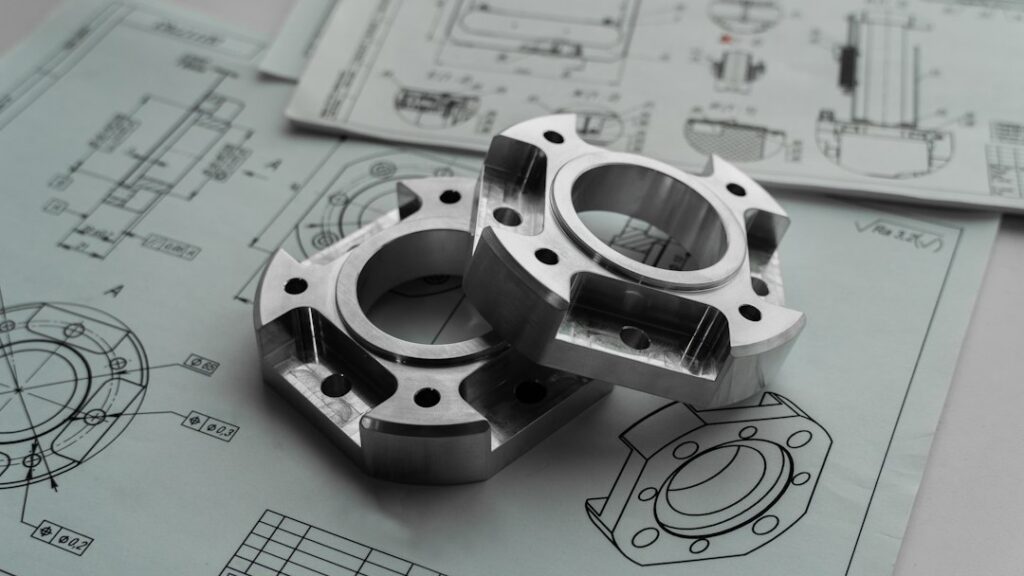
Mechanical submittals are the technical documents used to show that proposed heating, cooling, plumbing, ventilation, and related equipment matches the project plans and requirements. They help owners, designers, contractors, inspectors, and facility staff confirm what will be installed before materials arrive or work begins.
For construction projects in Rochester, NY, submittals are especially useful because mechanical systems must perform through cold winters, changing seasonal conditions, older building layouts, and a wide range of residential, commercial, and institutional construction types.
What is a mechanical submittal?
A mechanical submittal is a package of product information and project-specific documentation submitted for review. It usually describes the exact equipment, materials, accessories, controls, installation requirements, and performance characteristics proposed for the work.
A submittal is not the same as a general product brochure. It should identify how the proposed item applies to the specific project. Depending on the scope, it may include:
- Manufacturer data sheets
- Equipment schedules
- Shop drawings
- Cut sheets
- Installation instructions
- Control diagrams
- Piping or ductwork details
- Material certifications
- Testing information
- Energy or performance data
- Operation and maintenance information
Examples include a furnace, boiler, rooftop unit, air handler, pump, water heater, exhaust fan, backflow preventer, piping system, or building automation component.
How do submittals support design accuracy?
Submittals allow the project team to compare the proposed equipment with the design documents before installation. Drawings may show the intended capacity and location, but the submittal identifies the actual model or assembly being considered.
That comparison can reveal differences in:
- Heating or cooling capacity
- Electrical requirements
- Physical dimensions
- Service clearances
- Piping connections
- Duct connections
- Weight
- Noise levels
- Control requirements
- Venting arrangements
- Maintenance access
For example, a unit may meet the required heating capacity but be too large for the mechanical room. Another piece of equipment may fit physically but require a different voltage, fuel connection, or control signal than the project allows.
Finding these conflicts during review is less disruptive than discovering them after delivery or installation.
Why are mechanical submittals important before materials are ordered?
Submittals create a review point before purchasing and construction. Once equipment has been ordered, changes may cause delays, restocking costs, redesign, or field modifications.
A clear review process can confirm that:
1. The proposed item meets the specifications.
2. The equipment fits the available space.
3. Required connections are coordinated.
4. Accessories are included.
5. Installation instructions match the project conditions.
6. The item is acceptable for the intended use.
This process is particularly valuable for projects with long-lead equipment. Boilers, air-handling equipment, electrical controls, pumps, and specialized ventilation components may require significant planning. An early discrepancy can affect several other trades if it is not addressed promptly.
Who reviews a mechanical submittal?
The review path depends on the project. The mechanical contractor often prepares and submits the package, while the design professional or engineer reviews it for general conformance with the contract documents. The owner or construction manager may also participate.
Different reviewers focus on different questions:
- Mechanical contractor: Can the equipment be obtained, installed, connected, started, and serviced?
- Design professional: Does the proposal meet the design intent and specification requirements?
- Owner or facility representative: Is the equipment appropriate for operation, maintenance, access, and long-term use?
- Other trades: Does the equipment coordinate with structural, electrical, architectural, plumbing, or controls work?
- Inspector or authority having jurisdiction: Does the installation appear consistent with applicable code and approved documents?
Approval does not transfer all responsibility away from the installing contractor. The contractor still must verify field conditions, dimensions, coordination, installation methods, and system performance.
What information should a useful submittal contain?
A useful submittal is complete, organized, and specific to the project. It should make it possible to identify exactly what is being proposed without requiring reviewers to search through unrelated catalog pages.
Important information often includes:
- Manufacturer and model designation
- Equipment capacity and operating range
- Dimensions and shipping weight
- Electrical characteristics
- Fuel type or energy source
- Flow rates and pressure requirements
- Sound data
- Efficiency ratings
- Required clearances
- Connection sizes and locations
- Control sequences
- Mounting or support requirements
- Installation and maintenance clearances
- Applicable certifications or listings
If a product has several configurations, the selected option should be clearly marked. Unmarked or incomplete pages can create uncertainty about which features are included.
How do submittals help coordinate different trades?
Mechanical equipment rarely operates independently. It may need power, structural support, drainage, controls, access panels, roof openings, insulation, fire protection, or connection to existing systems.
Submittals help the project team coordinate these requirements. A rooftop unit, for example, may affect:
- Structural curb dimensions
- Roof penetrations
- Electrical feeders
- Condensate drainage
- Supply and return ductwork
- Outside-air openings
- Control wiring
- Service access
- Weather protection

In an existing building, coordination can be even more challenging. Older mechanical rooms may have limited clearance, irregular piping, low ceilings, or equipment that must remain operational during construction. A detailed submittal helps identify whether the new work can be installed as shown or whether field verification is needed.
Do submittals replace construction drawings or field verification?
No. Submittals supplement the drawings and specifications; they do not replace them. They also do not guarantee that field conditions match the design documents.
Before installation, the construction team may still need to verify:
- Existing pipe and duct locations
- Available electrical capacity
- Structural support conditions
- Access routes for moving equipment
- Ceiling heights
- Wall and floor openings
- Drainage points
- Clearance around existing equipment
A submittal may show that a unit fits according to the design dimensions, but the actual route into a mechanical room could be blocked by stairs, door openings, or existing construction. Field verification remains necessary.
What do common submittal review comments mean?
Review comments are not always rejections. They may identify required corrections, requests for clarification, or conditions that must be resolved before installation.
Common comments include:
- Approved: The item may proceed, subject to the notes and contract requirements.
- Approved as noted: The item may proceed only after following the listed comments.
- Revise and resubmit: The package needs changes before it can be accepted.
- Not approved: The proposal does not meet the project requirements.
- For information only: The document is being provided for record purposes and may not represent approval of the item.
The exact wording varies by project. Reviewers should read all comments carefully, including notes written directly on drawings or product pages.
What should Rochester residents know about mechanical submittals?
For local building owners and residents, the main value of submittals is traceability. They create a record of what equipment was proposed, reviewed, and installed.
That record can help later with:
- Routine maintenance
- Replacement parts
- Warranty documentation
- Troubleshooting
- Renovation planning
- Energy upgrades
- Building inspections
- Emergency repairs
Seasonal demands also make accurate documentation useful. Heating equipment may operate heavily during winter, while ventilation and cooling systems face different demands during warmer months. If the installed equipment, controls, and maintenance requirements are clearly documented, future work is less dependent on guesswork.
Mechanical submittals support construction by connecting design intent with actual materials and equipment. They reduce avoidable conflicts, improve coordination, document decisions, and give building owners useful information long after construction is complete.